Belle-Terre: Sisse Norman Canguilhem Supports the Second Phase of the Development
Interviews, News - 20 July 2026
Read more
How Governance and Stakeholder Collaboration Are Shaping the Future Neighborhood
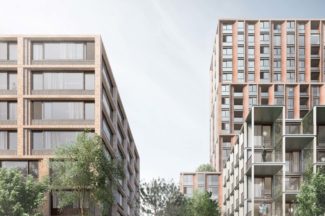
Belle-Terre is embarking on its second phase of development, with a steadfast focus on Baukultur—the culture of the built environment. The developers are set to select the architectural teams through a three-stage process: auditions, the definition of principles to ensure the future neighbourhood’s quality, and the subsequent development of proposals based on shared criteria. Sisse Norman Canguilhem— Vice President of the Green Building Council and formerly of the diplomatic corps—has been appointed President of the Board of Experts, responsible for the selection and monitoring of contractors. This appointment highlights the Comptoir Immobilier Group’s dedication to architectural excellence and urban integrity as the project progresses.
Could you introduce yourself and provide a brief overview of your current roles?
With a background in economics and political science, I served for fifteen years as a Danish diplomat, notably within the United Nations in Geneva. Currently serving as Vice President of the Green Building Council, my focus is the built environment. For several years, I have guided public and private developers, investors, and local authorities through their energy transition. I also serve as a board member for a European organisation dedicated to the circular economy. The common thread of my career is the creation of clear governance frameworks, fostering dialogue between stakeholders, and translating strategic objectives into decisive actions.
In your view, which aspects of the ‘Baukultur’—the culture of the built environment— are coming to fruition at Belle-Terre?
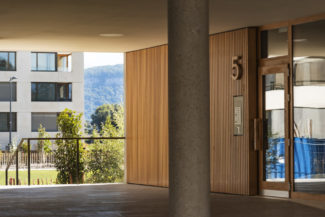
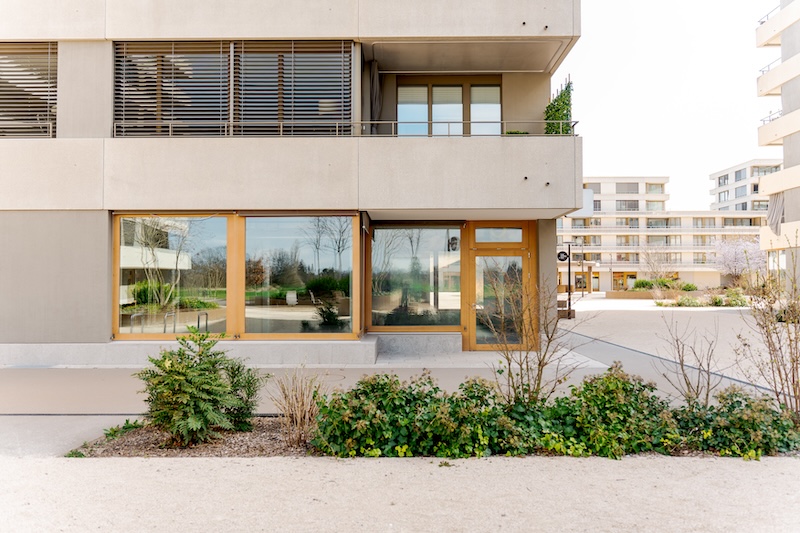
The project’s initial phase represents, in my view, an achievement of exceptional quality. This site is defined not only by its structures, but also by the way residents inhabit the space, both with one another and in harmony with nature. The landscape and public spaces are conceived as the very foundation of the development. People are at the heart of the vision, supported by soft mobility and ground floors designed to foster community life. Sustainability is fundamental, achieved through a suite of measures including geothermal energy, optimised water management, and a profound respect for biodiversity.
The preparations for the second phase are aligned with this same philosophy. The sustained dialogue between all stakeholders during the preliminary stages is exemplary and represents, in my opinion, a courageous investment. It is precisely this meticulous attention to the preparatory stages that allows the second phase to build upon the robust foundation established by the first.
What can you tell us about the methodology adopted for the work?
The Belle-Terre project is built upon a cross-disciplinary synergy and a resolutely holistic approach. This strategy makes it easier to defuse disputes, which are inevitable in any real estate development of this scale and complexity. Experience also shows that this approach produces higher-quality, more sustainable and more desirable real estate developments that generate greater long-term value. Furthermore, feedback from current residents is being integrated into ongoing studies, ensuring that the second stage flows seamlessly from the first.
What contribution will you make in terms of mediation methods?
My role will involve deciphering the motivations and priorities regarding sustainability—social, economic, and environmental—across the eight developers, then articulating them clearly for all stakeholders. Guided by the principle of the common good, I will strive to negotiate diplomatically, identifying common ground to advance the project while addressing differences with an open mind. The success of one is inextricably linked to the success of the other. Ambition certainly has its place, but I believe it should be grounded in pragmatism. I also intend to provide the clearest possible interpretation of the choices ahead, as I am convinced that a project only gains strength when it embraces a global vision. Drawing upon my Danish experience—where partnership and mutual trust are fundamental—I hope to instil a culture of collective effort to drive the project forward together. Naturally, throughout the process—and particularly during the drafting of the specifications—the involvement of users, both current and future, across all ages and backgrounds, will remain essential. After all, it is they who breathe life into the neighbourhood.
Can you mention a development that you consider a success?
The rejuvenation of Copenhagen’s former docklands isa prime example. This vast urban project transformed former industrial port zones into vibrant mixed-use neighbourhoods. From the 1990s onwards, the city progressively reimagined these brownfield sites as public spaces, residences, offices, cultural venues, and swimming areas. The objective was to reconnect the city with its waterfront, to open the harbour to residents and to promote soft mobility. Its success lies in the marriage of lofty ambitions—particularly regarding low-carbon goals—with a degree of flexibility that allowed the project to be tailored to the genuine needs of its users. This project provides an inspiring roadmap for Belle-Terre. I look forward to seeing its full vision come to life.
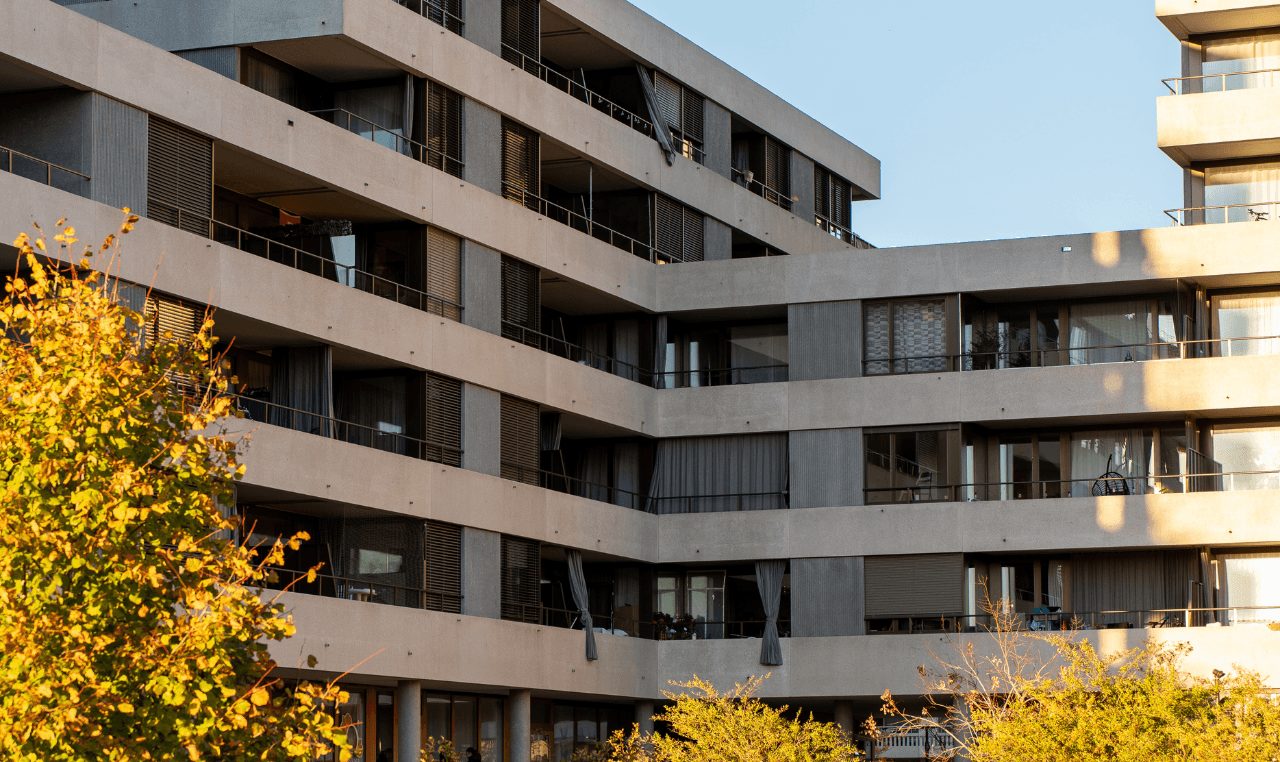
- A 38-hectare estate
- Upon completion, it will comprise nearly 2,700 homes and house 7,000 residents (40% of Thônex’s population), as well as curated commercial spaces and premium amenities.
- Developed in three phases (2021, 2030, 2034), the project offers a diverse mix of social housing, rent-controlled apartments, market rentals, and private residences.
- Work is currently underway on the second phase, focusing on urban sectors A1 and A3;meanwhile, preliminary studies for the local neighbourhood plans have commenced for sectors A4 and A5 (the 3rd phase)
- Services provided by Comptoir Immobilier: overseeing the urban design competition, neighbourhood planning, building permits, comprehensive project management (in partnership with Batima), and long-term operations.